
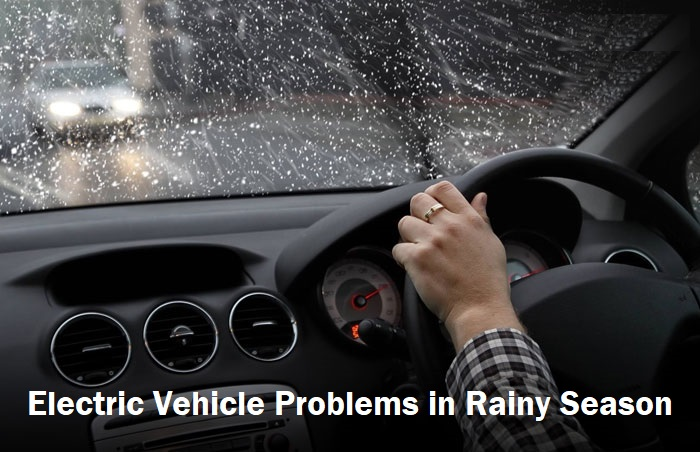
Electric vehicles are becoming more common on the road, and many owners trust them for daily travel. However, rainy weather often introduces unique challenges that appear without warning. Drivers suddenly notice changes in how their EV responds, which creates uncertainty because electric vehicles behave differently from fuel-based cars in wet conditions. What seems like a minor issue may actually require immediate attention, while other reactions are completely normal and expected in rainy weather. This is why understanding how EVs behave in the rain is essential, as it helps drivers make informed decisions and avoid unnecessary roadside emergencies. In this blog, we will explore the common problems EV drivers face during rainy weather, explain why they happen, and guide you on what to do when your electric vehicle behaves differently than expected.
Explore the Problems Electric Vehicle Drivers Face in Rainy Weather
1. Faster Battery Drain During Rainy Weather
Rain affects visibility, temperature, and comfort, which leads drivers to use more electrical components inside the vehicle. Headlights, wipers, fog lights, cabin heaters, and windshield defoggers all run on battery power in an EV. Each added function places more demand on the battery and reduces the vehicle’s available range more quickly than usual. The battery is not weak; it is simply doing more work. Many EV users feel panicked when their driving range drops faster during the rainy season, but the vehicle is performing exactly as designed.
Charging more frequently and planning routes that include charging spots can ease the stress of unexpected power loss, especially during long trips.
2. Reduced Tire Grip on Wet Roads
Electric vehicles provide instant torque when the accelerator is pressed. On a dry surface, this feels smooth and responsive. On wet roads, the same instant power can cause tires to slip before they find traction. A sudden spin of the wheels surprises new EV owners because they expect the same grip they experience on sunny days. This slip is not a defect. It is a response to how tires interact with water on the road.
Gentle acceleration and steady speed during rainy weather keep the tires stable and give the vehicle enough time to properly grip the road.
3. Charging Delays or Errors After Exposure to Rain
Electric vehicles are built to handle wet conditions, but rainwater around the charging area can still cause confusion. If moisture settles near the charging port or if the connector is not completely dry, the vehicle’s safety system may block the charging process. This leads to error messages or delayed charging, which makes drivers think something has malfunctioned. In most cases, the EV is simply protecting its electrical system from a risky connection. Drying the port and ensuring the connector is clear of water often solves the issue and allows the vehicle to charge normally again. But if the port continues to display warnings, contacting a tow truck company experienced with EVs may be the safest option.
4. Foggy Windshields Affect Driving Comfort
Traditional cars generate engine heat, which clears fog faster. Electric vehicles use heat pumps that need more time to warm up. During heavy rain, fog forms quickly on windows and reduces visibility. Owners sometimes assume the defogger is faulty, but the machine simply takes a few extra moments to reach its operating temperature.
Activating the defogger early and maintaining airflow inside the cabin can prevent fog from building and keep visibility clear throughout the journey.
5. Sensor or Camera Alerts During Heavy Rain
Many electric vehicles use sensors and cameras for lane monitoring, parking assistance, and collision alerts. Rainwater, dirt, or fog on these components may block the system’s view, triggering warnings that drivers do not expect. These alerts often disappear once the vehicle dries or the sensors are cleaned. Ignoring the alerts can confuse the system, so a quick wipe after stopping the vehicle restores normal operation.
6. When Rain Turns Into a Real Breakdown
Most rainy-weather changes are normal, but some situations require professional help. If the vehicle stops responding, refuses to charge after drying, or loses control due to traction failure, pushing it harder increases the risk. Electric vehicles have components that need careful handling, especially during towing or recovery. They cannot be pulled like regular cars.
This is the moment to rely on a towing company or a professional tow truck company that understands EV recovery. Choosing the right road assistance service provider protects your battery, electronics, and drivetrain from further damage.
Final Say!
Electric vehicles operate well in most weather conditions, but rainy days can introduce challenges that require thoughtful attention. When you understand how rain affects traction, energy usage, visibility, and charging, you feel more confident behind the wheel and can prevent unnecessary breakdowns. Still, there are moments when the situation goes beyond simple adjustments, and pushing the vehicle further may damage its components.
If your EV refuses to move, contact GRD Auto Towing for professional help. Their team has the experience, knowledge, and equipment required to handle electric vehicles safely. Whether you are dealing with a roadside fault or a rain-related issue, GRD ensures a careful and damage-free recovery across South Surrey, White Rock, Langley, and Delta. Having a trusted towing partner like GRD means you stay protected, even when the weather is not.