
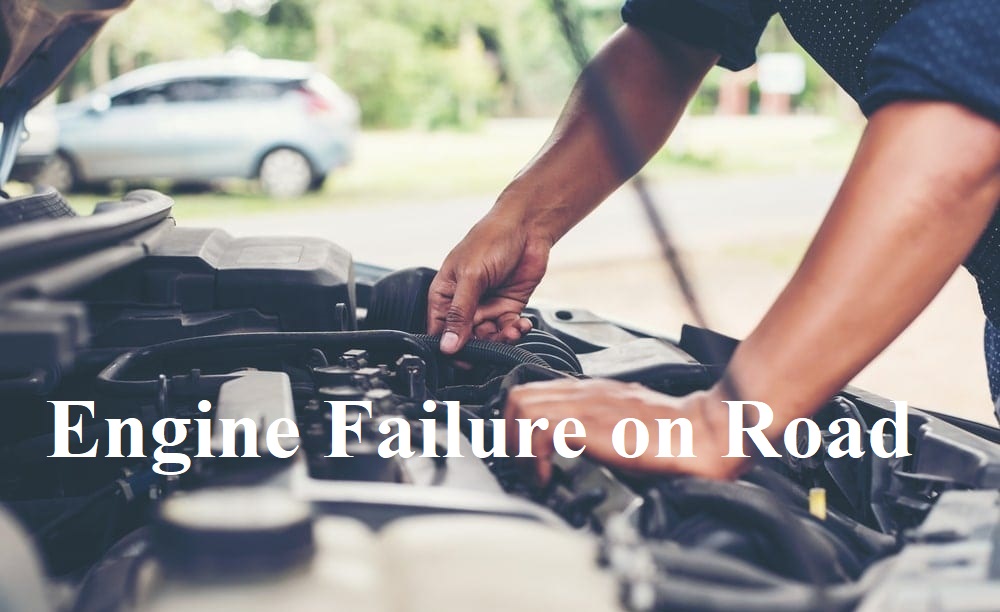
Engine failure on the road shocks most drivers. One moment, the car runs smoothly. The next moment, it slows down, jerks, or stops in the middle of traffic. Many people feel panic first. They check the dashboard, try restarting the engine, and hope the problem disappears. Some drivers step out confused and unsure about what just happened. These reactions are natural, but the real solution lies in understanding why engines fail in the first place. When you know the common causes and early warning signals, you respond calmly, protect your vehicle from further damage, and contact roadside assistance or a trusted tow truck company at the right time.
Discover the prime reasons for emergency engine failure:-
1. Engine Overheating Due to Cooling System Problems
Engine overheating remains one of the most common reasons for sudden breakdowns. The engine produces heat every time you drive. The cooling system manages that heat. If coolant levels drop or the radiator stops working properly, temperature rises quickly.
You may notice steam from the bonnet, a rising temperature gauge, or a burning smell. Ignoring these signs can damage the engine block or head gasket. Once overheating reaches a critical level, the car may stop completely.
Pull over safely as soon as you see the temperature warning. Turn off the engine and wait for it to cool. Do not open the radiator cap immediately. If the vehicle cannot restart or shows severe overheating, contact roadside assistance for safe towing. A tow truck company can transport your vehicle without causing further engine damage.
Regular checks of coolant levels and radiator condition reduce the risk of overheating. Simple maintenance prevents expensive repairs later.
2. Low or Dirty Engine Oil
Engine oil keeps internal parts cool, reduces friction, and prevents metal components from grinding against each other. When oil levels drop or the oil becomes dirty and thick, the engine loses this protection.
Drivers often delay oil changes or ignore dashboard warnings because the car still runs. Over time, this causes internal wear. Knocking sounds, ticking noises, or a burning smell often appear before serious damage occurs. In some cases, the engine stalls completely while driving. Regular oil checks take only a few minutes but prevent expensive repairs. Once oil-related damage begins, repeatedly restarting the engine only makes things worse.
3. Battery or Electrical System Failure
Many drivers assume engine failure always comes from mechanical problems. Electrical issues also stop a vehicle instantly. A weak battery, faulty alternator, or damaged wiring disrupts the power supply needed to run the engine.
You may notice dim lights, difficulty starting, or warning indicators on the dashboard. Sometimes the car shuts off while driving because the alternator stops charging the battery. When this happens, the vehicle loses power completely.
If the battery dies, roadside assistance can provide a jumpstart or a battery replacement. If an electrical failure affects the engine system, a tow truck company may need to transport the car for detailed inspection. Regular battery checks and timely replacements help prevent sudden breakdowns.
4. Fuel Delivery Problems That Interrupt Engine Operation
An engine needs the right amount of fuel at the right pressure. If fuel does not reach the engine properly, performance drops immediately. The car may jerk while driving or struggle to accelerate. In heavier cases, it may shut down in traffic.
Clogged fuel filters, weak fuel pumps, or contaminated fuel are often the cause of this issue. Drivers who frequently drive on very low fuel levels increase the risk. Dirt and sediment from the bottom of the tank move into the system and block fuel flow. Fuel system problems can feel confusing because the engine may crank but fail to start. A trained technician needs to inspect the system to identify the exact cause and restore proper fuel delivery.
5. Timing Belt Failure That Causes Instant Shutdown
The timing belt controls how internal engine parts move together. It ensures that valves open and close at the exact moment pistons move. This coordination keeps the engine running smoothly.
When the timing belt wears out or snaps, the engine stops instantly. In many vehicles, pistons and valves collide. This collision causes serious internal damage.
The problem is that the belt often fails without a loud warning. Some cars show rough idling or misfires before failure, but many drivers notice nothing unusual. Skipping the recommended replacement schedule increases the chance of a breakdown on the road.
Replacing the timing belt at the correct interval protects the engine from severe damage and prevents sudden shutdown during driving.
What To Do When the Engine Fails on the Road
Even well-maintained vehicles can face unexpected issues. Knowing what to do keeps you safe.
First, move the vehicle to a safe spot if possible. Turn on hazard lights. Avoid repeated attempts to restart the engine if it shows serious trouble. Restarting can worsen internal damage.
Next, contact roadside assistance. Professional help ensures safe inspection and proper towing if needed. A reliable tow truck company can transport your vehicle without adding stress to the engine.
Keep emergency numbers saved in your phone. Preparation makes a big difference during breakdowns.
How to Reduce the Risk of Engine Failure
- Regular maintenance prevents most breakdowns. Small checks help you avoid major repairs.
- Check oil and coolant levels regularly
- Watch dashboard warning lights
- Service the vehicle on schedule
- Listen to unusual sounds
- Replace worn parts on time
These simple steps keep your engine reliable for daily driving.
Final Thoughts!
A vehicle rarely shuts down without giving clues. Drivers who stay alert to unusual sounds, dashboard warnings, or performance changes reduce the risk of being stranded unexpectedly. Regular inspections, timely oil changes, and cooling system checks keep the engine reliable for daily use. Even then, emergencies can still happen. What matters most is how quickly and safely you respond. Keep emergency contacts ready, choose a dependable roadside assistance provider, and rely on a professional tow truck company when the situation demands expert support.